Utility Billing
Hawaiian Electric Solar Credits: Why Your Island and Export Timing Matter
A single export price cannot explain every Hawaiian Electric solar bill. Your island, program and export timing belong in the savings calculation.
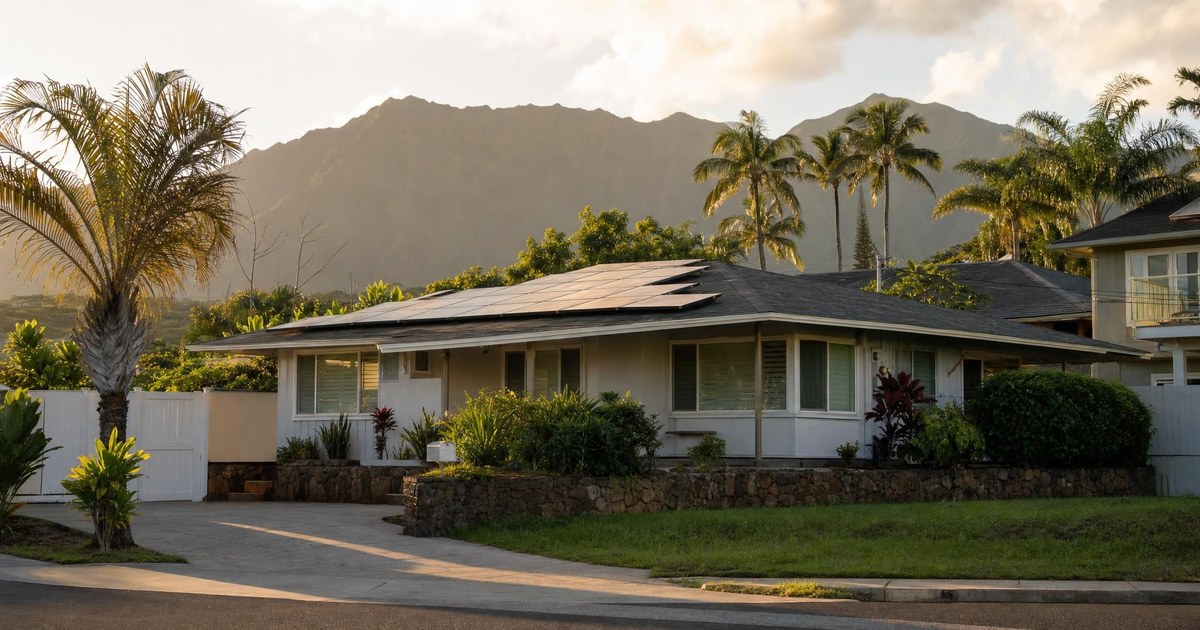
If a solar proposal uses one generous export credit to explain years of savings, ask which island and which program that number belongs to. For Hawaiian Electric customers, those details can change the comparison between the sales estimate and the bill arriving today.
The Smart Renewable Energy Export program, also known as Smart DER Export, uses different compensation periods and island-specific prices. It is a Hawaiian Electric program. Homeowners served by Kauai Island Utility Cooperative should use their own utility's program documents instead of applying this article's rates or terms to their account.
Start with the program your home actually has
Hawaii's PUC identifies April 1, 2024 as the launch of Smart DER's export and non-export options. The export option compensates qualifying deliveries to the grid. A non-export arrangement is a different proposition, intended for onsite use without export compensation.
Check your executed interconnection agreement before comparing the proposal with a current program page. Write down its name, approval date and any later change. A recent web page cannot tell you which agreement applies to a system installed years earlier.
If the documents use similar names, ask the utility to identify the controlling program in writing. Keep that response with the proposal. The goal is to establish the account's actual billing arrangement before diagnosing equipment performance or buying additional hardware.
Separate production from compensated exports
Hawaiian Electric's published export table separates daytime, overnight and evening exports and lists different prices for Oahu, Maui, Lanai, Molokai and Hawaii Island. A price from one island should not be substituted for another island's price.
For a household reviewing disappointing savings, ask for three distinct quantities: electricity the panels produced, electricity used directly at home, and electricity the utility recorded as exported. Treating all panel production as compensated exports can distort the estimate before the rate is even applied.
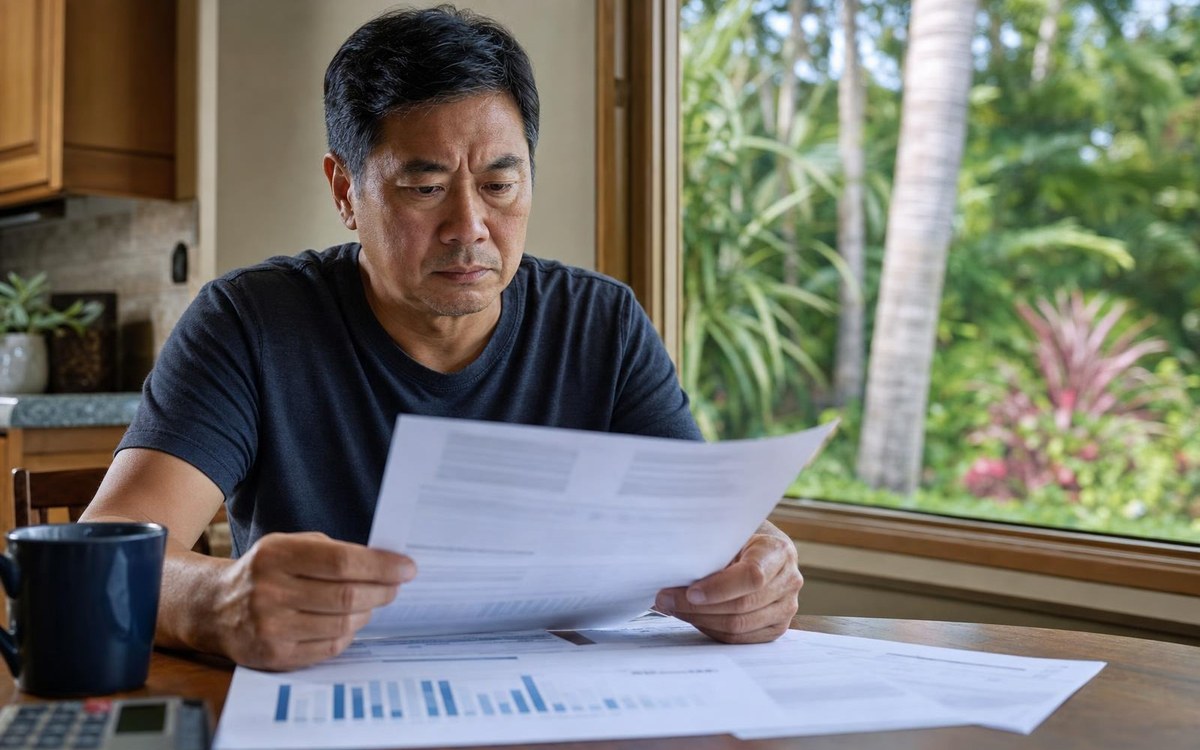
Request a breakdown by the applicable export periods. For example, a proposal should explain how much energy it expects to deliver during the evening window and what equipment or operating assumption makes that possible. A high evening credit is not evidence that the system actually delivers much electricity then.
Also ask how the forecast handles purchased electricity, banked credits and charges that remain on the bill. An export-credit calculation by itself is not a complete household savings calculation.
Read the rate protection attached to your contract
Oahu's Rule 32 sets daily export periods at 9 a.m.–5 p.m., 5 p.m.–9 p.m., and 9 p.m.–9 a.m. Its export rider gives new contracts an initial seven-year rate lock, with later updates subject to commission authority. Customers transitioning from interim programs do not receive that same seven-year protection.
Ask the installer to show the provision used in your forecast and identify whether the forecast assumes a new contract or a transition. A financing term and an export-rate protection period are separate things. If the forecast continues one price beyond the protected period, request an alternative scenario showing how a different future price would affect the combined payments.
For another island, obtain that island's rider before relying on Oahu's contract wording. The same program brand does not replace the applicable utility document.
Evaluate the battery explanation separately
If a battery is offered as the solution to a credit shortfall, request a comparison that includes its purchase or financing cost. Have the installer explain expected exports, energy retained for backup and any separate program participation. Equipment design and configuration questions belong with a qualified professional.
Preserve the original estimate before accepting a replacement. Otherwise, it becomes difficult to tell whether the revised proposal corrects an earlier assumption or adds a new expense to achieve the original promise.
For Solar Exit utility-billing review, gather your agreement, bills, production records and the sales calculation. Use document review to explain the discrepancy, or submit your situation if the solar and utility payments are creating a problem. This is general consumer information, not legal, financial or electrical advice. Outcomes depend on the documents and facts.
Sources Reviewed
- Hawaii PUC program overviewReviewed October 15, 2026Reverified October 15, 2026. Smart DER launch April 1, 2024. Oahu Rule 32 export sheets 49.40-H/I effective April 1, 2024; general provisions include February 1, 2025 revisions. Seven-year new-contract protection is attributed only to Oahu; transitions excluded. Official public table remains labeled 2024-2026; no future 2027 price or numerical export price asserted. Other islands and KIUC not generalized.
- Hawaiian Electric export programReviewed October 15, 2026Reverified October 15, 2026. Smart DER launch April 1, 2024. Oahu Rule 32 export sheets 49.40-H/I effective April 1, 2024; general provisions include February 1, 2025 revisions. Seven-year new-contract protection is attributed only to Oahu; transitions excluded. Official public table remains labeled 2024-2026; no future 2027 price or numerical export price asserted. Other islands and KIUC not generalized.
- Oahu Rule 32, Export Rider CReviewed October 15, 2026Reverified October 15, 2026. Smart DER launch April 1, 2024. Oahu Rule 32 export sheets 49.40-H/I effective April 1, 2024; general provisions include February 1, 2025 revisions. Seven-year new-contract protection is attributed only to Oahu; transitions excluded. Official public table remains labeled 2024-2026; no future 2027 price or numerical export price asserted. Other islands and KIUC not generalized.